2026 Cybersecurity Budget Planning: Where to Invest, What to Cut, and How to Win
If you’re planning your 2026 cybersecurity budget in the UAE, you’re not just preparing for threats you’re preparing for regulatory...



Today, customer expectations are higher than ever, making customer support a critical focus for businesses. One of the key components of effective support is IT help desk services. Whether it's resolving technical issues, providing support, or streamlining IT operations, a reliable service can significantly enhance business efficiency.
According to Zendesk, 70% of customers stay loyal to brands that offer quick, effective support. Managed help desk services are becoming increasingly essential, with 72% of businesses reporting improved productivity and reduced downtime.
Additionally, understanding the difference between service desk and help desk helps businesses determine the right IT support model. This blog will explore why a dependable IT help desk is crucial for success and how it impacts your overall customer experience.
IT Help Desk services are designed to assist employees and customers with any technical issues they encounter. It can involve anything from troubleshooting software problems, hardware malfunctions, or general IT-related inquiries. A managed help desk service is typically outsourced, meaning a third-party service provider takes responsibility for managing IT support, providing businesses with expert solutions without having to hire an internal team.
For businesses that rely on technology, a dedicated help desk ensures operations run smoothly and problems are addressed before they cause disruptions. Not only does it improve productivity, but it also contributes to overall customer satisfaction. In Dubai, these services are increasingly in demand as companies look for reliable, cost-effective IT support to drive efficiency and maintain high service standards.
A reliable IT help desk ensures that any technical issues employees face are swiftly addressed, allowing them to get back to work quickly. In this business environment, downtime due to technical issues can be costly. With managed help desk services, you have a team of experts ready to resolve issues without delay.
Many help desk services offer round-the-clock support, especially for businesses that operate globally. With IT services available 24/7, businesses ensure that employees across different time zones have access to the support they need, preventing any operational hiccups.
Outsourcing help desk services can be significantly more affordable than building an internal support team. By leveraging managed help desk services, businesses can access high-quality support without the overhead costs of hiring and training staff.
An IT help desk is staffed with professionals who are experts in resolving technical issues. Having access to this level of expertise ensures that complex problems are addressed efficiently and accurately, minimizing the chance of recurring issues.
Providing fast and effective support is crucial to maintaining customer satisfaction. A reliable help desk ensures that customers’ issues are resolved quickly, increasing customer loyalty and positive brand perception.
Understanding the difference between service desk and help desk is essential for businesses looking to improve their IT support strategy.
| Feature | Help Desk | Service Desk |
| Primary Focus | Resolving immediate IT issues (technical support) | Managing broader IT service requests (includes incident, problem, and change management) |
| Scope of Support | Specific to technical issues | Broadens to include IT services, asset management, and more |
| Customer Interaction | Often reactive support | Proactive and holistic IT service management |
| Tools and Processes | Focus on issue resolution and troubleshooting | Involves ITIL processes, service management, and performance monitoring |
| Resolution Time | Quick, tactical solutions | Focus on long-term, strategic solutions |
As seen in the table, help desks focus on immediate problem resolution and troubleshooting, while service desks manage a broader set of IT operations, often encompassing the entire IT service lifecycle. Both services are important, but they address different needs within an organization.
Employees often face technical difficulties that prevent them from focusing on their core work. Whether it’s a software glitch or an unresponsive device, these issues can be time-consuming. A reliable IT help desk quickly resolves these issues, allowing employees to stay focused on their tasks.
For businesses that interact with customers online or through digital platforms, offering effective and timely support is essential. A 24/7 customer service availability ensures customers receive the help they need whenever they need it, improving their overall experience with the brand.
A centralized IT help desk consolidates all technical support into a single point of contact, making it easier for employees to find help and for businesses to track issues. This centralization ensures consistency in the quality of support across the organization.
Many help desks also provide support for security-related issues. Cybersecurity threats, data breaches, and software vulnerabilities are all part of modern IT challenges. A managed help desk service often includes proactive monitoring and response to IT security incidents, helping protect the company’s digital assets.
Outsourcing your help desk services means you can scale the support infrastructure as needed. Whether it’s expanding the team or adding new service offerings, managed help desk services offer the flexibility to adapt as your business evolves.
Many industries have stringent compliance requirements related to IT systems and customer data. A professional help desk ensures your company meets these regulations by providing the necessary documentation and protocols for secure, compliant operations.
Here are some compelling statistics that highlight the significance of IT help desk services:
As businesses increasingly depend on technology to operate, the need for reliable, efficient IT support becomes undeniable. IT help desk services provide a streamlined approach to addressing technical issues, ensuring that operations run smoothly and efficiently. Whether you choose to implement managed help desk services or opt for an internal team, ensuring that you have reliable, responsive support is critical.
A reliable IT help desk does more than just fix issues—it improves productivity, enhances customer satisfaction, and provides scalability for future growth. So, whether you’re just starting to build your IT infrastructure or are looking to improve your current system, IT should be a top priority for your business.
By outsourcing to managed help desk services, businesses can focus on their core operations while leaving IT support to the experts. In this digital world, providing excellent customer support through a reliable help desk can set your business apart from the competition.
IT help desk services provide technical support for employees or customers experiencing issues with IT systems, software, or hardware. They aim to quickly resolve problems and ensure smooth business operations.
Managed services are outsourced IT support solutions that handle everything from issue resolution to proactive monitoring. A third-party provider offers expertise and resources, saving businesses the cost of an in-house team.
A help desk focuses on solving specific technical problems, whereas a service desk manages a broader set of IT services, including incident, problem, and change management. Service desks typically follow ITIL best practices.
A reliable IT ensures quick resolution of technical issues, minimizing downtime and allowing employees to remain productive. It also improves customer service and satisfaction by addressing issues promptly.
By providing fast and efficient resolutions to customer issues, IT services enhance the customer experience. Quick response times and seamless support lead to higher customer retention and satisfaction.
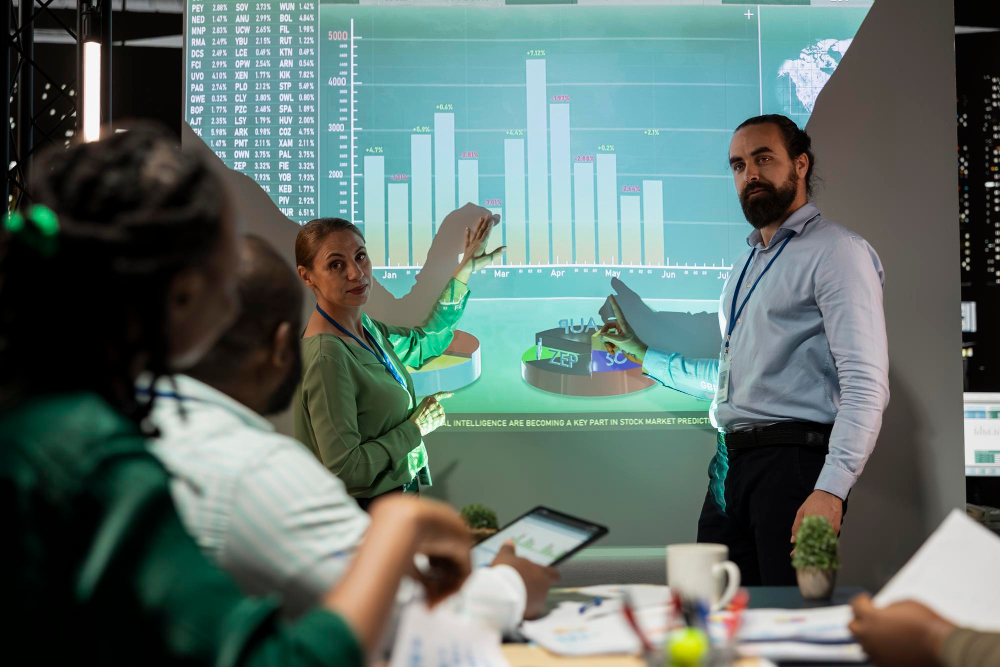
If you’re planning your 2026 cybersecurity budget in the UAE, you’re not just preparing for threats you’re preparing for regulatory...

Cybersecurity for small businesses is no longer a luxury; it’s a necessity. Whether you’re a startup or an established small...

Hackers don’t break in anymore. They just log in. A few years ago, cybersecurity felt simple. Companies invested in firewalls,...

If you’re serious about protecting modern businesses in 2026, one reality is impossible to ignore. Attackers no longer break into...

Dubai is not just another city to open an office in. It is one of the most competitive, digitally advanced,...
In 2026, AI in IT operations is no longer experimental. AI in IT operations UAE initiatives are becoming foundational for...