IT Support Dubai: 7 Things to Check Before Hiring a Company
If you’re searching for IT support Dubai, the stakes are higher than just “keeping computers running.” Choosing the wrong company...



Every day, thousands of businesses fall victim to cyberattacks not because they aren’t smart, but because they didn’t know how to protect themselves. Whether you're a startup founder or just securing your data, understanding cybersecurity isn’t optional anymore. With the rise in threats, more companies are turning to professional cybersecurity solutions to stay ahead. This guide breaks down cybersecurity in simple terms — no jargon, just what you need to know to stay protected.
Cybersecurity is the practice of protecting systems, networks, and data from digital attacks. These attacks are usually aimed at accessing, changing, or destroying sensitive information, extorting money, or interrupting normal business operations.
There are different types of cybersecurity, each focusing on a specific area:
Common threats include:
Cybersecurity is not just for tech giants. If you connect to the internet — even just to check email or run a website — you’re at risk. That’s why cybersecurity for small businesses, startups, and individuals is more important than ever. From endpoint security solutions to full-scale managed cybersecurity services, there are tools and strategies tailored for every need. Many companies now offer affordable cybersecurity services for startups, while larger firms rely on enterprise cybersecurity services for more complex protection. Regardless of your size, working with a trusted cybersecurity service provider can make all the difference in safeguarding your digital assets.
Cybercrime is growing at an alarming rate, with attackers becoming more sophisticated, targeted, and relentless. According to recent studies, 60% of small businesses shut down within six months of experiencing a cyberattack. These incidents can cause long-lasting damage, both financially and reputationally, especially for businesses that are not prepared. The true cost of a breach goes far beyond lost files — it can erode customer trust, trigger legal consequences, and stall operations entirely.
Some of the most critical consequences of weak cybersecurity include:
Industries that rely heavily on strong cybersecurity frameworks include:
Additionally, cybersecurity is essential for maintaining compliance with regulations like GDPR, HIPAA, and other data protection laws that help ensure customer privacy and organizational accountability.
Cybersecurity does far more than just "block viruses" — it's a comprehensive system that actively safeguards your digital environment. It begins by detecting and preventing unauthorized access to sensitive systems, ensuring that only verified users can interact with your data and infrastructure. Through strong encryption protocols, even if data is intercepted or stolen, it remains unreadable and unusable to hackers. Cybersecurity tools also monitor network traffic and user activity in real time, identifying unusual behavior that could signal an ongoing attack. Beyond just data, it also works to secure all endpoints — including mobile devices, desktops, laptops, and servers — which are often the first targets in a breach.
To visualize this, think of cybersecurity as a multi-layered defense system. Antivirus software stops common threats like malware or spyware. Firewalls regulate the flow of information to and from your network. Two-Factor Authentication (2FA) provides a crucial second barrier against unauthorized access. Together, these layers form a proactive shield around your business or personal information, reducing your vulnerability to modern cyber threats.
You don’t have to be a cybersecurity expert to significantly improve your protection — sometimes, the simplest habits have the biggest impact. By following a few core best practices, both individuals and businesses can defend themselves against many common cyber threats.
Creating complex passwords and using a different one for each account helps prevent hackers from gaining access through stolen credentials. A password manager can simplify this process.
MFA adds an extra verification step, like a code sent to your phone, making it much harder for attackers to access your accounts even if they know your password.
Regularly updating your operating system, applications, and security tools patches helps identify vulnerabilities that cybercriminals often exploit.
These act as your first line of defense by detecting, blocking, and removing malicious software before it can do harm.
Training your staff or household members to recognize phishing emails and suspicious links can prevent many breaches caused by human error.
Backups (both cloud-based and offline) ensure you can recover important files if attacked by ransomware or affected by hardware failure.
A VPN encrypts your internet connection, protecting sensitive information from being intercepted on unsecured networks.
Even small changes — like enabling MFA or setting up automatic backups — can make a huge difference in keeping your digital life safe.
The short answer: No. While it might sound highly technical, cybersecurity today is easier to implement than ever before, even for people with no IT background. Most modern tools are designed with simplicity in mind, offering intuitive interfaces and step-by-step guidance. You don’t need to be a tech expert to take meaningful steps toward protecting your digital presence. Simple actions like installing antivirus software, using a password manager, or enabling two-factor authentication can go a long way in boosting your security.
For businesses, managed service providers like IT Wise Tech take the complexity out of the equation by offering fully customized cybersecurity plans. These services proactively monitor your systems, apply essential protections, and respond to threats in real time. Cybersecurity isn’t hard — it just requires smart tools and consistent practices.
| User Type | Solution | Estimated Cost | What You Get |
| Individuals | Antivirus Software | $5–$10/month | Real-time protection against malware, spyware, and viruses |
| VPN (Virtual Private Network) | $5–$10/month | Secure internet browsing, even on public Wi-Fi | |
| Password Manager | $2–$5/month | Safely stores and auto-fills strong, unique passwords | |
| Small Businesses | Basic Security Package | $100–$500/month | Includes antivirus, email protection, network monitoring |
| Advanced Cybersecurity Solutions | Varies by scale | Custom firewall management, SOC services, and threat intelligence |
At IT Wise Tech, we offer customizable packages so you pay only for what you need, without compromising your protection.
You don’t have to wait until a cyberattack strikes to take action. With a few simple steps and the right mindset, you can dramatically reduce your risk. Cybersecurity doesn’t need to be complex or expensive — but it does need to be consistent. Start with the basics, get help when needed, and protect what matters most.
At IT Wise Tech, we’re here to make cybersecurity easy and affordable for everyone. Let’s secure your digital future together.

If you’re searching for IT support Dubai, the stakes are higher than just “keeping computers running.” Choosing the wrong company...

Looking for cybersecurity companies in Dubai can feel a bit like shopping for insurance. Everyone says they protect you. Everyone...
Planning CCTV for a business sounds simple until you start asking the real questions. How many cameras are enough? Which...

Slow internet, dropped calls, frozen CCTV feeds, weak Wi-Fi, and random downtime are not always caused by your internet provider....
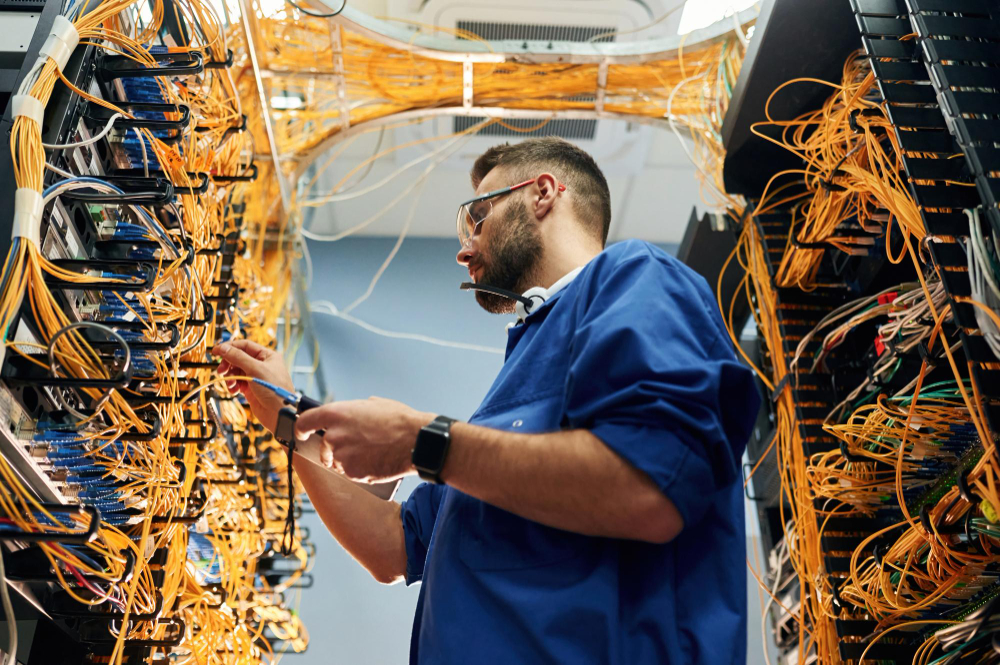
Most businesses do not think about structured cabling until network problems start slowing everything down. Video calls freeze. Internet speeds...
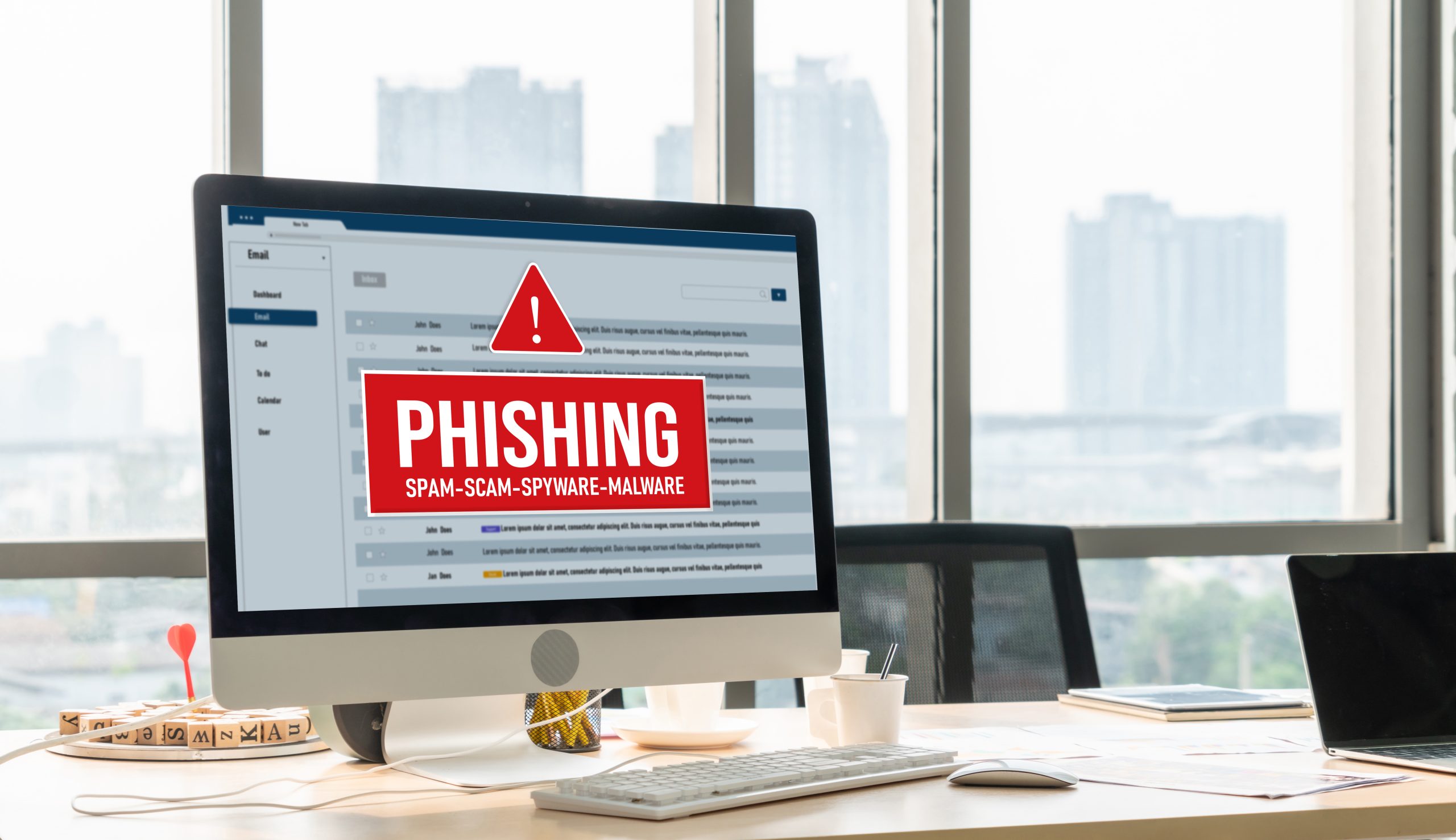
A few years ago, most phishing emails were easy to spot. They usually came from strange email addresses, contained spelling...