IT Support Dubai: 7 Things to Check Before Hiring a Company
If you’re searching for IT support Dubai, the stakes are higher than just “keeping computers running.” Choosing the wrong company...



As businesses evolve and technology advances, the demand for efficient and reliable network infrastructure continues to grow. While wireless technologies often grab the spotlight, structured cabling remains the backbone of modern communication systems. In fact, according to MarketsandMarkets, the global structured cabling market is projected to reach $17.3 billion by 2026, driven by increased data traffic and the rapid adoption of cloud services.
In 2025, businesses will rely even more on structured cabling solutions to support faster data transmission, higher bandwidth, and advanced technologies like 5G, IoT, and AI. With over 75 billion IoT devices expected to be connected worldwide by 2025, having a robust and scalable cabling infrastructure is no longer optional—it’s essential.
This blog explores the future of structured cabling, highlighting key trends and innovations that will shape the industry in the coming years. Whether upgrading your current network or building a new one, understanding these trends will help you future-proof your infrastructure. For expert guidance, ITWiseTech offers comprehensive structured cabling services tailored to your business needs.
Structured cabling is a standardized approach to designing and installing a flexible network infrastructure. It includes a system of cables, connectors, and hardware that support transmitting data, voice, and video signals across a building or campus.
Structured cabling systems are essential to modern IT infrastructure because they ensure scalability, efficiency, and reduced downtime.
One of the most significant trends in structured cabling is the shift from traditional copper cables to fiber optic cabling. Fiber optics offer higher bandwidth, faster data transmission, and longer distances without signal degradation. As businesses demand more data-intensive applications, fiber optic cabling will be preferred.
According to recent market research, the fiber optic cables market is expected to grow at a CAGR of 9.46%, reaching USD 25.09 billion by 2030.
With the global rollout of 5G technology, structured cabling will be critical in supporting the infrastructure required for faster wireless networks. Although 5G emphasizes wireless connectivity, it relies on a robust wired backbone to handle increased data traffic and ensure network stability.
The rise of 5G technology, adopted by 65% of global telecom operators, has intensified the need for high-bandwidth cabling solutions.
The rise of the Internet of Things (IoT) has led to an explosion of connected devices in homes and businesses. IoT devices require reliable and high-speed connectivity, increasing the demand for structured cabling solutions for everything from smart thermostats to industrial sensors.
The rapid adoption of IoT has led to a 65% increase in structured cabling deployment in smart buildings.
Artificial Intelligence (AI) and automation transform how businesses manage their network infrastructure. AI-driven tools can monitor network performance, predict maintenance needs, and optimize data flow, making structured cabling systems more efficient and reliable.
Integrating AI and machine learning enhances automation, optimizes performance, and improves cloud resource management.
Sustainability is gaining attention, with 70% of organizations prioritizing eco-friendly cabling materials to reduce electronic waste.
The concept of smart buildings is becoming increasingly popular in tech-forward cities. These buildings use integrated technologies to optimize energy use, enhance security, and improve occupant comfort. Structured cabling plays a crucial role in enabling these smart systems.
Smart buildings account for 60% of new commercial constructions, making structured cabling essential for integrated communication networks and automation systems.
Cloud computing has fundamentally changed how businesses store, access, and manage their data. As more organizations migrate to the cloud, the demand for reliable, high-speed network connections has surged. Structured cabling is crucial in meeting these requirements, acting as the physical foundation that supports cloud-based applications and hybrid work environments.
Structured cabling systems must offer high bandwidth capacity to handle the increased data flow between local systems and cloud servers. Low latency is equally important, ensuring users can access cloud services quickly and without interruption. Additionally, to maintain business continuity, a structured cabling infrastructure must incorporate redundancy and backup pathways that minimize downtime during outages or system failures.
With 95% of enterprises now relying on cloud-based applications for daily operations, investing in robust structured cabling systems has become essential for seamless connectivity, optimized performance, and long-term digital resilience.
To stay competitive in 2025 and beyond, businesses must future-proof their network infrastructure. This involves investing in scalable cabling solutions that adapt to changing technology and growing data demands.
For businesses looking to upgrade their cabling systems, ITWiseTech offers expert structured cabling services designed to meet the needs of modern enterprises.
It will only grow in 2025. From fiber optic technology and 5G integration to AI-driven automation and sustainable materials, the future of structured cabling is full of exciting innovations.
By staying informed about the latest trends and investing in future-proof cabling solutions, businesses can ensure their networks are ready to handle tomorrow's demands. Whether building a new network or upgrading an existing one, structured cabling will provide the reliability, scalability, and performance needed for success.
For expert guidance on structured cabling, contact ITWiseTech today. They can help you explore their structured cabling services and ensure your business stays connected in the future.
Structured cabling is a standardized system of cables and hardware that supports data, voice, and video communication. It provides modern businesses with a flexible, scalable, and reliable network infrastructure.
Fiber optic cabling offers higher bandwidth, faster data transmission, and greater security than traditional copper cables, making it ideal for data-intensive applications.
While 5G enhances wireless connectivity, it relies on a robust, structured cabling backbone to handle increased data traffic and ensure network stability.
Structured cabling supports IoT devices through technologies like Power over Ethernet (PoE), providing data and power through a single cable.
ITWiseTech offers customized structured cabling solutions designed to meet businesses' specific needs. These solutions ensure an efficient, scalable, and future-proof network infrastructure.

If you’re searching for IT support Dubai, the stakes are higher than just “keeping computers running.” Choosing the wrong company...

Looking for cybersecurity companies in Dubai can feel a bit like shopping for insurance. Everyone says they protect you. Everyone...
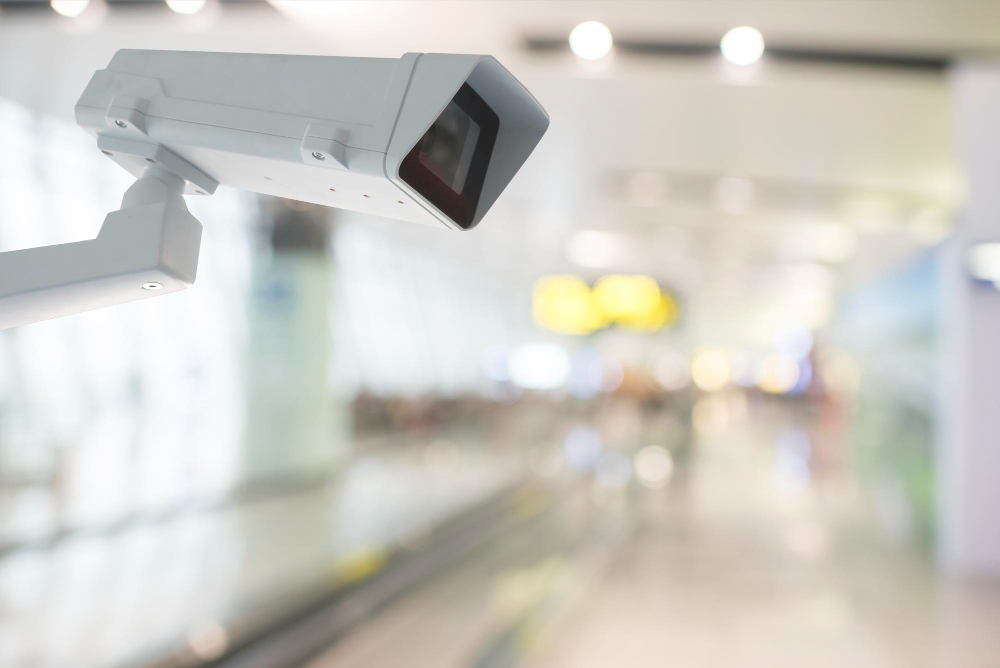
Planning CCTV for a business sounds simple until you start asking the real questions. How many cameras are enough? Which...

Slow internet, dropped calls, frozen CCTV feeds, weak Wi-Fi, and random downtime are not always caused by your internet provider....
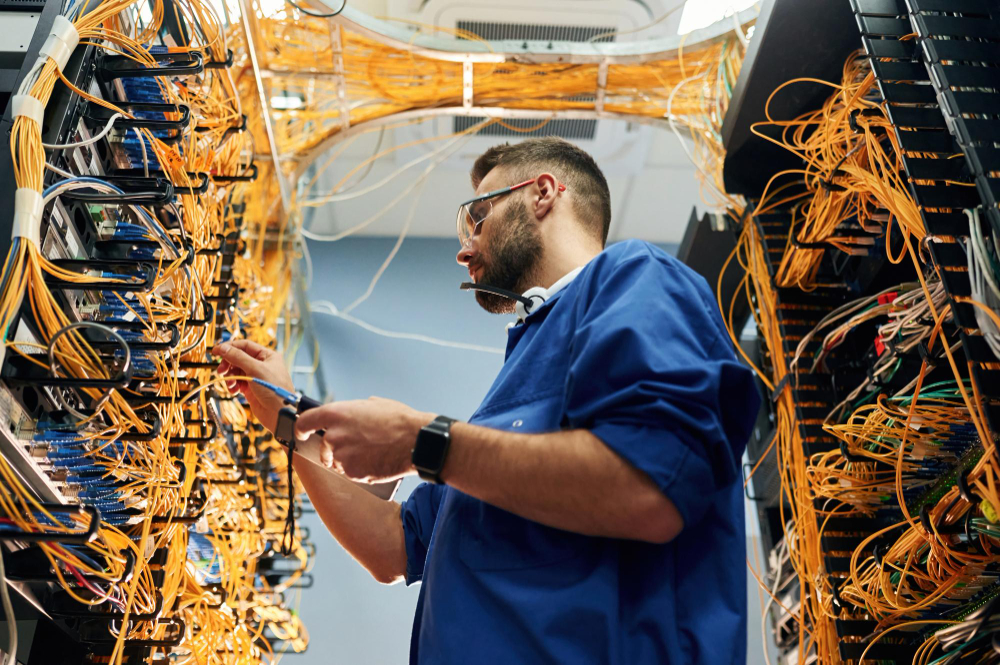
Most businesses do not think about structured cabling until network problems start slowing everything down. Video calls freeze. Internet speeds...

A few years ago, most phishing emails were easy to spot. They usually came from strange email addresses, contained spelling...