IT Support Dubai: 7 Things to Check Before Hiring a Company
If you’re searching for IT support Dubai, the stakes are higher than just “keeping computers running.” Choosing the wrong company...



In today’s hyper-connected digital landscape, cyber threats have evolved into highly sophisticated and persistent risks. To combat these dangers, organizations must adopt a centralized strategy that enables real-time monitoring, detection, and response to malicious activity.
This is where the Security Operations Center (SOC) comes in—serving as the command hub of an organization’s cybersecurity defenses. A SOC integrates people, processes, and technologies to continuously protect systems, networks, and data from evolving cyber threats.
Recent statistics reveal just how critical a SOC has become: in 2024, scammers and cybercriminals stole a staggering $16.6 billion from consumers—a 33% surge from the previous year, according to the FBI’s Internet Crime Center (IC3).
Meanwhile, ransomware continues to dominate, with IC3 reporting a 9% increase in complaints targeting U.S. critical infrastructure. These alarming trends underscore the indispensable role of Security Operations Centers in safeguarding businesses against potentially devastating cyberattacks and ensuring resilience in a threat-heavy digital environment.
A Security Operations Center is a dedicated facility where a team of cybersecurity professionals monitors and protects an organization's information systems. The SOC operates 24/7, ensuring continuous surveillance and rapid response to potential security incidents.
Key activities within a SOC include:
The SOC serves as the frontline defense, coordinating efforts across various departments to maintain the organization's cybersecurity posture.
The responsibilities of a Security Operations Center (SOC) are comprehensive, spanning the entire cybersecurity lifecycle to ensure organizations remain secure, compliant, and resilient. At its core, the SOC is responsible for security monitoring, continuously observing network traffic, user behavior, and system logs to detect unusual or malicious activity. It also handles incident management, rapidly responding to threats to limit damage and restore normal operations efficiently.
Vulnerability management is another critical function, where SOC teams proactively identify and patch weaknesses in systems and applications. In parallel, they enforce security policies, ensuring standardized protection protocols are followed across all departments and endpoints. Additionally, reporting and documentation are essential for both compliance and future threat analysis, as they detail every security event, the response taken, and the outcome.
Together, these functions enable the SOC to serve as a frontline defense mechanism, safeguarding digital assets and reinforcing an organization’s overall cybersecurity posture in a continuously evolving threat landscape.
Running a modern Security Operations Center (SOC) is no small feat. While the benefits are numerous, SOC teams often face several key challenges:
Analysts are often overwhelmed by thousands of daily alerts, many of which are false positives. This leads to desensitization, making it harder to detect real threats effectively.
The global shortage of skilled cybersecurity professionals makes it challenging to hire and retain experienced Security Operations Center (SOC) analysts, particularly for 24/7 operations.
As cyberattacks become increasingly sophisticated, Security Operations Centers (SOCs) must continually adapt to detect new vulnerabilities, tools, and tactics employed by threat actors.
SOCs typically utilize multiple security tools, such as SIEM, SOAR, and EDR. Ensuring seamless integration and real-time data flow can be a major operational hurdle.
Maintaining an in-house SOC is expensive. Limited budgets can impact technology upgrades, staffing, and training.
Organizations can address these issues by investing in automation, offering ongoing training, and leveraging managed SOC services to scale their security operations efficiently.
Implementing a Security Operations Center (SOC) delivers essential benefits to any organization’s cybersecurity strategy. One major advantage is proactive threat detection, with 24/7 monitoring that helps identify and respond to threats before they escalate.
According to IBM, the average cost of a data breach in 2023 was $4.45 million, underscoring the importance of early detection. SOCs also streamline incident response, minimizing downtime and data loss through defined protocols. They play a vital role in regulatory compliance, helping businesses meet legal requirements and avoid costly penalties.
With centralized security management, SOCs provide a unified view of system vulnerabilities. Given that cyberattacks increased by 38% globally in 2022, a Security Operations Center's (SOC) real-time defense is more vital than ever for long-term resilience and cost savings.
| Tool | Function |
| SIEM (Security Information and Event Management) | Aggregates and analyzes log data from various sources to detect suspicious activities. |
| EDR (Endpoint Detection and Response) | Monitors endpoint devices for signs of malicious activity. |
| IDS/IPS (Intrusion Detection/Prevention Systems) | Identifies and blocks potential threats to the network. |
| SOAR (Security Orchestration, Automation, and Response) | Automates incident response to improve efficiency and reduce manual workload. |
| Threat Intelligence Platforms | Provide insights into emerging threats, vulnerabilities, and adversary behaviors. |
A Security Operations Center (SOC) is a critical component in an organization's defense against a wide array of cyber threats. One of its primary responsibilities is to detect and respond to malicious activities in real time, ensuring that attacks are neutralized before they can cause significant damage. Malware, including viruses, worms, and ransomware, is one of the most common threats monitored by Security Operations Center (SOC) teams.
They also track phishing attacks, where attackers attempt to deceive users into disclosing sensitive data through fraudulent emails or websites.
SOCs are also designed to detect Denial-of-Service (DoS) attacks, which aim to disrupt business operations by overwhelming networks or systems. More sophisticated threats, such as Advanced Persistent Threats (APTs)—stealthy, long-term campaigns designed to steal critical data—are closely monitored through advanced analytics and threat intelligence tools. Lastly, insider threats, originating from within the organization, are tracked using behavioral analytics.
While both a Security Operations Center (SOC) and a Network Operations Center (NOC) play critical roles in IT, their focus areas are fundamentally different. A SOC is dedicated to cybersecurity, detecting, analyzing, and responding to cyber threats in real time. In contrast, an NOC focuses on ensuring network performance, uptime, and infrastructure availability.
The NOC handles issues such as bandwidth bottlenecks and server outages, while the SOC addresses malware, phishing, and data breaches. Understanding the distinction is essential, as businesses often need both functions to maintain operational resilience and protect against growing cyber threats in an increasingly connected world.
The future of Security Operations Centers (SOCs) is being shaped by artificial intelligence and automation. As cyber threats become more complex and frequent, traditional manual processes can no longer keep up.
Next-generation Security Operations Centers (SOCs) are integrating AI-powered threat detection, behavioral analytics, and automated incident response to increase speed and accuracy. Machine learning algorithms help reduce false positives and prioritize high-risk alerts.
Additionally, cloud-native Security Operations Center (SOC) platforms and Security Orchestration, Automation, and Response (SOAR) tools are revolutionizing how security teams handle incidents. These advancements enable faster, smarter, and more scalable cybersecurity, turning the modern SOC into a proactive defense powerhouse. At ITWiseTech, we leverage cutting-edge SOC and SOAR technologies to deliver real-time threat detection and automated response, ensuring your business stays protected against evolving cyber threats.
A Security Operations Center (SOC) is a centralized team responsible for monitoring, detecting, analyzing, and responding to cybersecurity threats in real time using advanced tools and techniques.
Businesses need a SOC to protect against growing cyber threats proactively, ensure compliance with regulations, reduce downtime, and maintain the security of sensitive data and IT infrastructure.
SOCs commonly use tools such as SIEM (Security Information and Event Management), EDR (Endpoint Detection and Response), SOAR, IDS/IPS, and Threat Intelligence Platforms to monitor and secure networks.
A SOC detects cyberattacks by analyzing real-time data from across the organization, identifying suspicious behavior, and utilizing threat intelligence to flag and respond to potential threats, such as malware or insider attacks.
Yes. Small businesses can benefit from a SOC, especially through SOC-as-a-Service or managed SOC providers, which offer enterprise-grade protection without the high costs associated with building an in-house team

If you’re searching for IT support Dubai, the stakes are higher than just “keeping computers running.” Choosing the wrong company...

Looking for cybersecurity companies in Dubai can feel a bit like shopping for insurance. Everyone says they protect you. Everyone...
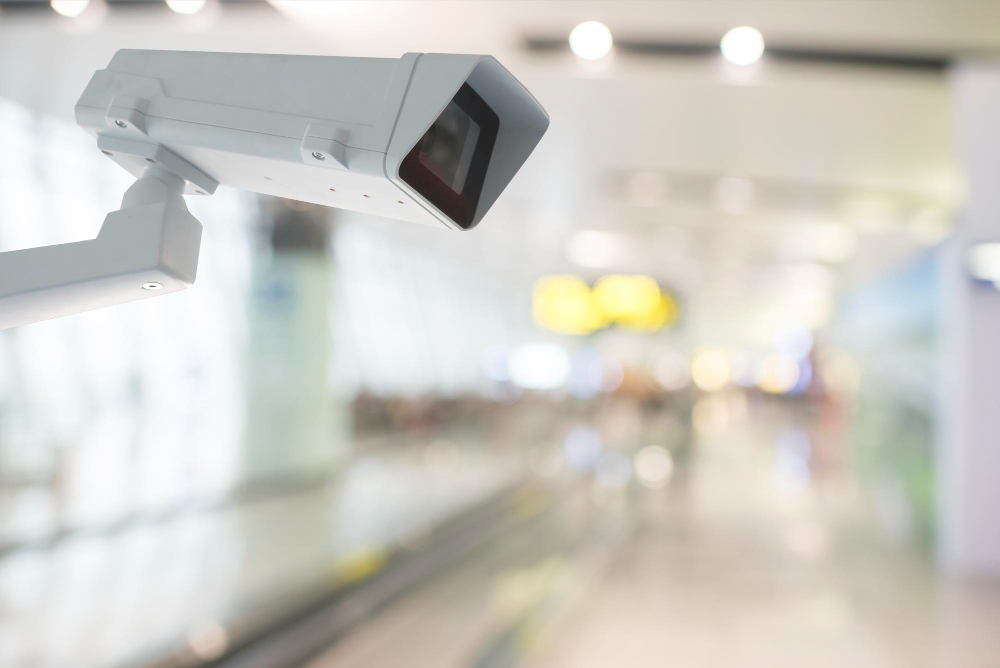
Planning CCTV for a business sounds simple until you start asking the real questions. How many cameras are enough? Which...

Slow internet, dropped calls, frozen CCTV feeds, weak Wi-Fi, and random downtime are not always caused by your internet provider....

Most businesses do not think about structured cabling until network problems start slowing everything down. Video calls freeze. Internet speeds...

A few years ago, most phishing emails were easy to spot. They usually came from strange email addresses, contained spelling...